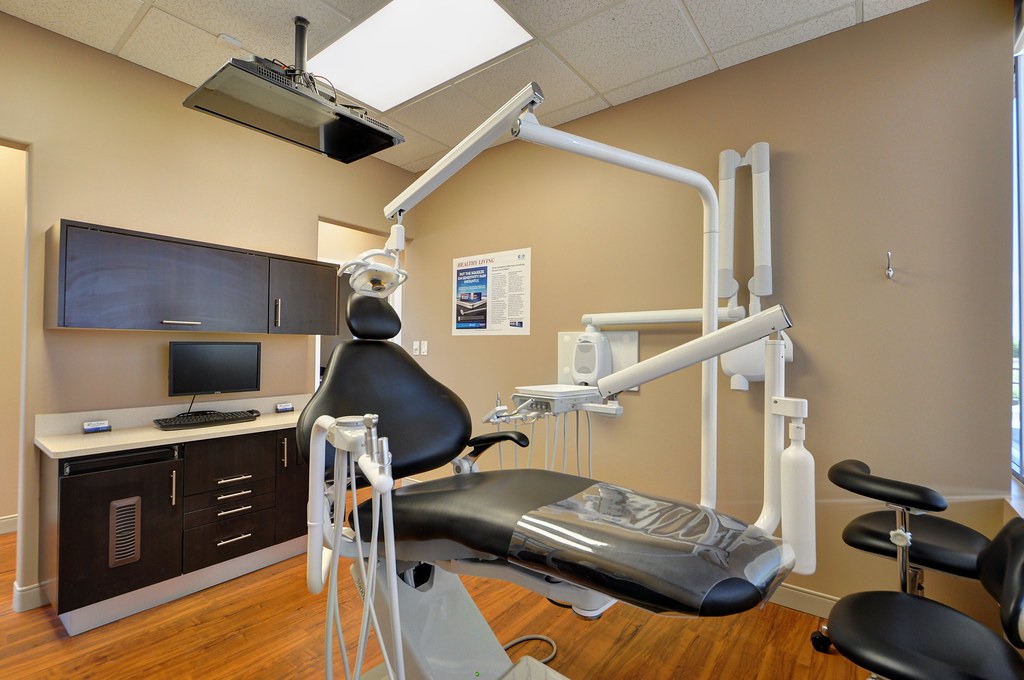
When we talk about “dental,” it often conjures images of drills and dreaded appointments. But what if we told you that achieving and maintaining a radiant smile is less about fear and more about embracing a few smart, often surprising, habits? It’s time to flip the script on oral care from a chore to a genuine lifestyle upgrade.
The Great Bristle Debate: Not All Brushes Are Born Equal
Think your trusty toothbrush is doing all the heavy lifting? Perhaps, but the tool itself, and how you wield it, makes a monumental difference. This isn’t just about manual vs. electric; it’s about the nuances that can elevate your daily clean from good to genuinely outstanding.
Manual Mastery: Technique Over Brute Force
- The 45-Degree Angle: Aim your bristles at a 45-degree angle towards the gumline. This allows them to sweep away plaque from both the tooth surface and just under the gum, where troublemakers often hide.
- Gentle Circles, Not Scrubbing: Imagine polishing rather than sanding. Short, gentle, circular motions are far more effective and kinder to your gums than aggressive back-and-forth scrubbing.
- The Two-Minute Rule: It’s not just a guideline; it’s the minimum. Divide your mouth into quadrants and spend a solid 30 seconds on each. Many modern manual brushes have timers or indicators to help.
Electric Excellence: Letting the Tech Do the Work
Electric toothbrushes, especially oscillating-rotating or sonic varieties, take much of the technique guesswork out of the equation. Their built-in timers and pressure sensors are invaluable.
- Guided Glide: Instead of scrubbing, simply guide the electric brush head over each tooth surface. Let the high-frequency vibrations or rotations do the work.
- Pressure Control: Many electric brushes alert you if you’re pressing too hard. This is a game-changer for preventing gum recession and enamel wear.
- Battery Life Matters: Ensure your electric toothbrush is adequately charged. A sluggish brush delivers a sluggish clean.
Beyond the Bristles: The Unsung Heroes of Oral Health
Brushing is foundational, yes, but it’s only one part of the dental equation. True oral wellness involves a multi-pronged approach that tackles plaque and food debris from all angles.
Flossing: The Non-Negotiable Narrow Nook Navigator
Skipping floss is like cleaning only 60% of your house. Those tight spaces between teeth are prime breeding grounds for bacteria and a leading cause of cavities and gum disease. Consistency is key here; a quick floss daily is far better than an occasional deep dive.
Mouthwash: The Finishing Rinse (with a Caveat)
Mouthwash can be a beneficial addition, but it’s not a substitute for brushing and flossing. Opt for therapeutic, fluoride-containing rinses if you’re looking for extra cavity protection. Avoid alcohol-heavy formulations if you suffer from dry mouth, as they can exacerbate the issue.
Tongue Scrapers: An Unexpected Freshness Factor
Your tongue harbors a significant amount of bacteria and food particles that contribute to bad breath. A quick daily scrape can drastically improve your breath and even enhance your sense of taste. It’s a small step with a big impact on your overall dental hygiene.
Dietary Decisions: Your Plate’s Impact on Your Pearly Whites
What you eat (and drink) plays a surprisingly direct role in the health and longevity of your teeth. It’s not just about avoiding sugar; it’s about understanding the subtle ways foods interact with your oral environment.
The pH Balance Act: Acid Attack Awareness
Every time you consume something acidic – sodas, citrus fruits, even some seemingly healthy fruit juices – your enamel faces an acid attack. While saliva helps neutralize this, frequent exposure keeps your teeth vulnerable. Try to consume acidic items with meals and rinse with water afterward.
Crunchy Companions: Nature’s Toothbrush
Foods like apples, carrots, and celery are often called “nature’s toothbrushes.” Their fibrous texture helps scrub away plaque and stimulate saliva production, which is your mouth’s natural defense against decay. Incorporate them regularly!
Water: The Underestimated Oral Powerhouse
Water isn’t just for hydration; it’s a silent guardian for your teeth. Drinking water throughout the day helps wash away food particles, dilute acids, and keep your mouth moist, preventing dry mouth – a major contributor to cavities and gum issues. Fluoridated tap water offers an additional layer of protection.
The Proactive Pursuit of Professional Dental Care
Even with the most diligent home care, professional dental check-ups are non-negotiable. Dentists and hygienists are equipped to spot issues long before they become painful problems and provide deep cleaning that no amount of brushing can replicate.
Regular Check-ups: More Than Just a Cleaning
These visits are crucial for detecting cavities, gum disease, and even early signs of oral cancer. Your dentist can offer personalized advice, identify potential problems with your bite, and ensure your restorations (fillings, crowns) are in good shape.
Deep Dives: The Power of Professional Cleanings
Professional cleanings remove tartar (hardened plaque) that home brushing simply cannot. This prevents gum inflammation and helps maintain the integrity of your tooth structure. Consider them your oral health reset button.
FAQ
Is it true that I should brush my teeth immediately after eating?
While it seems logical, it’s often better to wait at least 30 minutes after eating, especially after consuming acidic foods. Acids temporarily soften enamel, and immediate brushing can cause more erosion. Rinsing with water is a great interim step.
How often should I change my toothbrush or electric brush head?
Aim to replace your toothbrush or brush head every three to four months, or sooner if the bristles become frayed. Worn bristles are less effective at cleaning and can even harbor bacteria.
Can chewing gum really help with my dental health?
Yes, sugar-free chewing gum can be beneficial! Chewing stimulates saliva flow, which helps neutralize acids, wash away food particles, and remineralize enamel. Look for gums sweetened with xylitol for added benefits.
Conclusion
Transforming your approach to dental care isn’t about grand gestures; it’s about integrating small, consistent, and informed habits into your daily life. From choosing the right tools to making smart dietary choices and embracing regular professional visits, each step contributes to a brighter, healthier smile that truly reflects your overall well-being. Your dental health is an investment, and these savvy shifts are your best dividends.